
What Is Collagen — And Why Does Everyone Over 40 Suddenly Need It?
The simple protein your body stops making at 25 (and why it's the missing piece behind aching joints, thinning hair, and tired-looking skin).

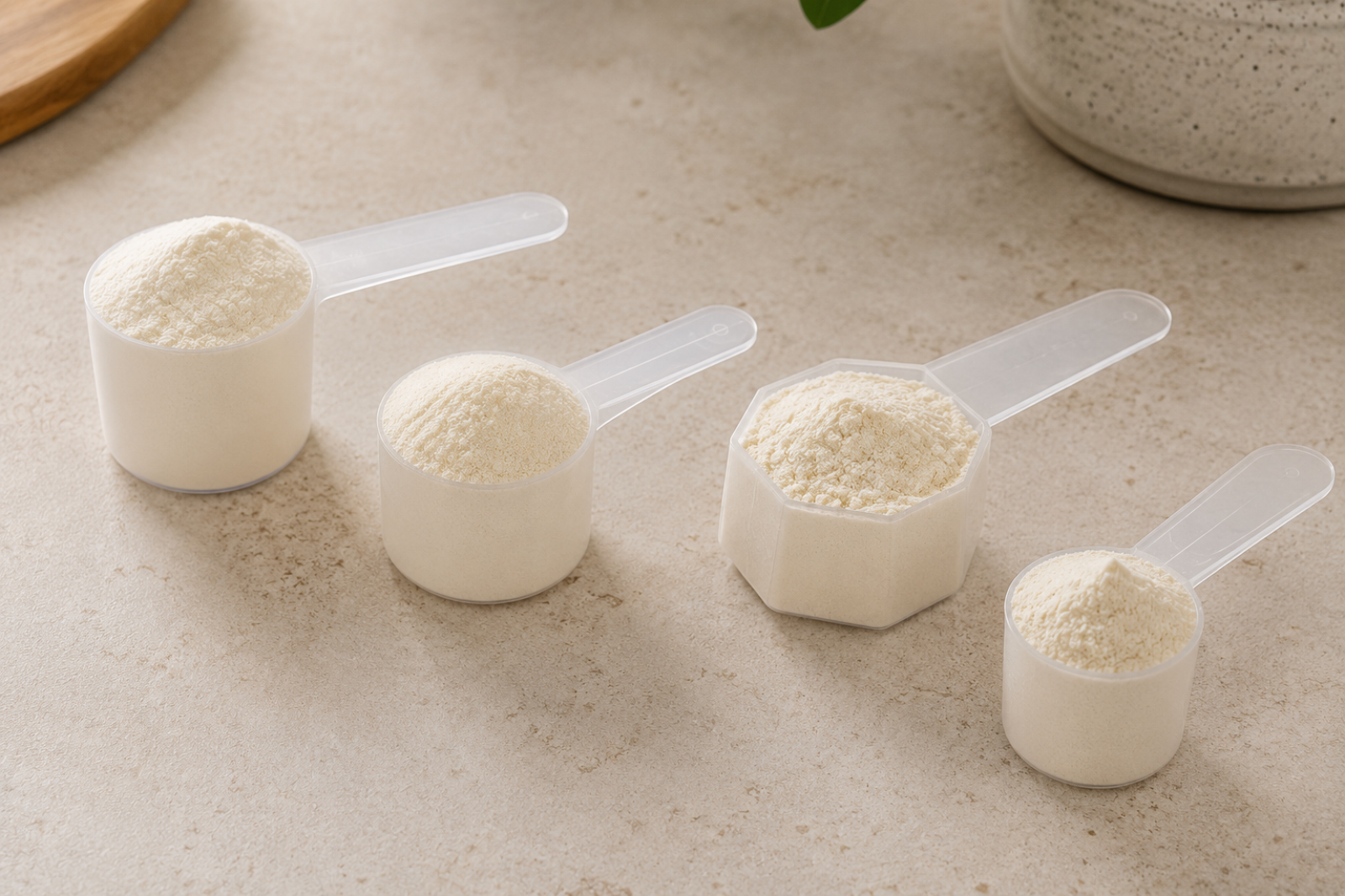
If you've been seeing "collagen" everywhere lately — on coffee creamers, in your friend's smoothie, all over Instagram — and wondering what the heck it actually is, you're in the right place. Here's the no-nonsense explanation, plus what a Doctor of Physical Therapy says you should know before you spend a single dollar on it.
A friend of mine pulled out a tub of white powder at brunch last month and dumped a scoop in her coffee.
"What is THAT?" I asked.
"Collagen," she said. "Best thing I ever started taking. You should try it."
I nodded politely. But the truth is, I had no idea what collagen actually was. I'd seen the word a hundred times — on grocery store shelves, in magazine ads, in random Instagram reels. But if you'd asked me to define it, I would have failed.
So I went home and did what I always do when I don't understand something: I researched it for two weeks.
Here's what I learned. And honestly? It changed how I think about aging.
So… What IS Collagen?
In the simplest terms possible: collagen is the protein that holds your body together.
It's the most abundant protein in the human body. It makes up about 30% of all the protein in you right now. And it's the structural foundation of nearly every tissue you have:
- Your skin (which is roughly 75% collagen)
- Your joints and cartilage
- Your bones
- Your hair and nails
- Your gut lining
- Even the connective tissue in your muscles
Think of collagen as the scaffolding of your entire body. Without it, things start to sag, crack, ache, and break down.
Here's The Problem Nobody Tells You About
Your body makes its own collagen. Naturally. For free.
But — and this is the part that stopped me cold when I read it — your body stops making collagen efficiently at around age 25.
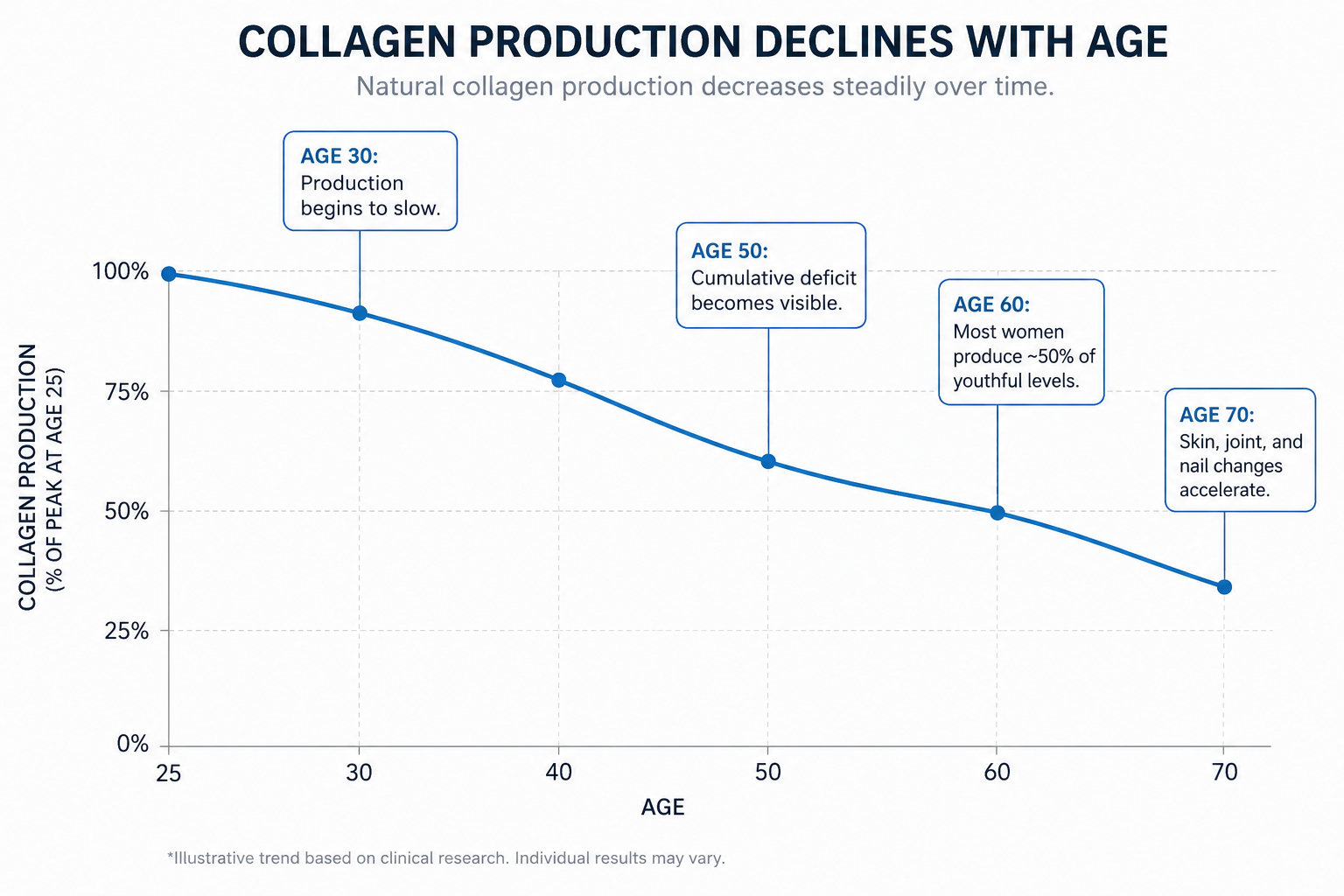
This is why — somewhere in your mid-40s — you start noticing things you can't quite explain:
- Skin that's thinner, drier, less "bouncy"
- Joints that creak when you stand up
- Hair that's not as thick as it used to be
- Nails that crack and peel
- Aches in places you never used to have aches
It's not "just getting older." It's a specific, measurable, biological shortage of one specific protein.
And here's the good news: you can replace it.
The Science Most People Don't Know
I called Dr. Chad Walding, a Doctor of Physical Therapy who's spent years researching this, to make sure I understood it correctly.
His answer was eye-opening:
"What we know from over 60 peer-reviewed clinical studies is that supplementing with the right kind of collagen peptides can measurably restore what your body has lost. We're talking improved skin elasticity, stronger nails, thicker hair, better joint comfort — and in some studies, even improved bone density."
He pointed me to specific research showing:
- A 2019 study where women supplementing with collagen peptides saw a 20% reduction in wrinkle depth in 12 weeks
- A 2018 trial showing significant improvement in joint pain in adults with knee discomfort
- Multiple studies showing measurable increases in skin elasticity and hydration within 8 weeks
"But Doesn't Your Body Just Break It Down?"
This was my biggest question. I'd heard people say that when you eat collagen, your stomach just digests it into nothing useful.
Turns out, that's an old myth.
Modern collagen supplements are something called hydrolyzed collagen peptides. The word "hydrolyzed" just means the collagen has been pre-broken-down into smaller chains that your body absorbs intact — and uses to rebuild collagen in your skin, joints, and connective tissue.
It's a bit like the difference between a whole brick and the materials needed to build a brick. Your body can't use the whole brick. But it CAN use the materials.
Why Most Collagen Products Are A Waste of Money
Here's where it gets frustrating.
Just because something says "collagen" on the label doesn't mean it'll do anything for you.
After comparing 14 different brands, I learned that most collagen on the market today is essentially useless because of one or more of these issues:
1. Bad source
Most collagen comes from feedlot cattle — animals raised on grain, hormones, and antibiotics. The collagen extracted from these animals is biochemically inferior to collagen from grass-fed, pasture-raised cattle.
2. Wrong type
There are 28 types of collagen in your body. The two that matter most for skin, hair, nails, and joints are Type 1 and Type 3. Most cheap brands don't specify — which usually means they don't have them.
3. Poor processing
If the peptides aren't broken down to the right molecular weight, your body can't absorb them. Cheap brands skip this step.
4. Filler junk
Read the label of any drugstore collagen. You'll see sweeteners, "natural flavors," gums, and ingredients you can't pronounce. You're paying for filler.
The One That Actually Met Every Criteria
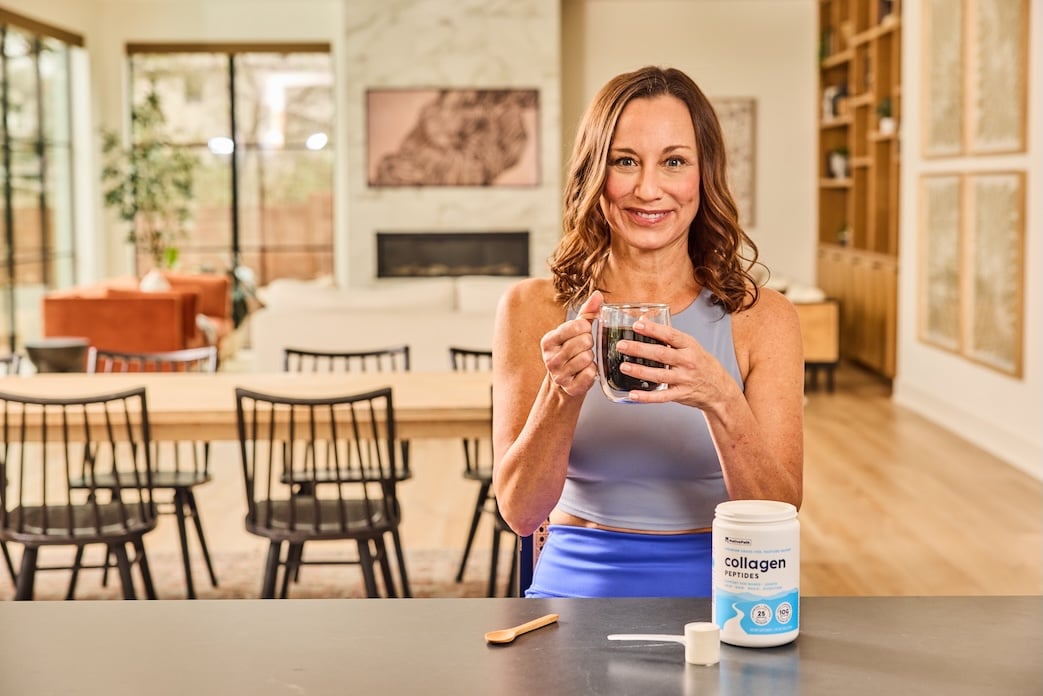
After my research, the only collagen I could find that passed every test was NativePath Grass-Fed Collagen Peptides, founded by Dr. Walding himself.
Here's why it stood out:
- Sourced from grass-fed, pasture-raised cattle in Brazil
- Contains both Type 1 and Type 3 peptides (the two that matter)
- Properly hydrolyzed for maximum absorption
- One ingredient: collagen peptides. Nothing else.
- Clinical 10g dose per scoop (matching the studies)
- Dissolves instantly with no taste or clumping
I've been taking it every morning in my coffee for 60 days now. My nails are growing past my fingertips for the first time in years. My hair is shedding less in the shower. And the achy feeling in my left knee when I walk uphill? Noticeably better.
How To Try It
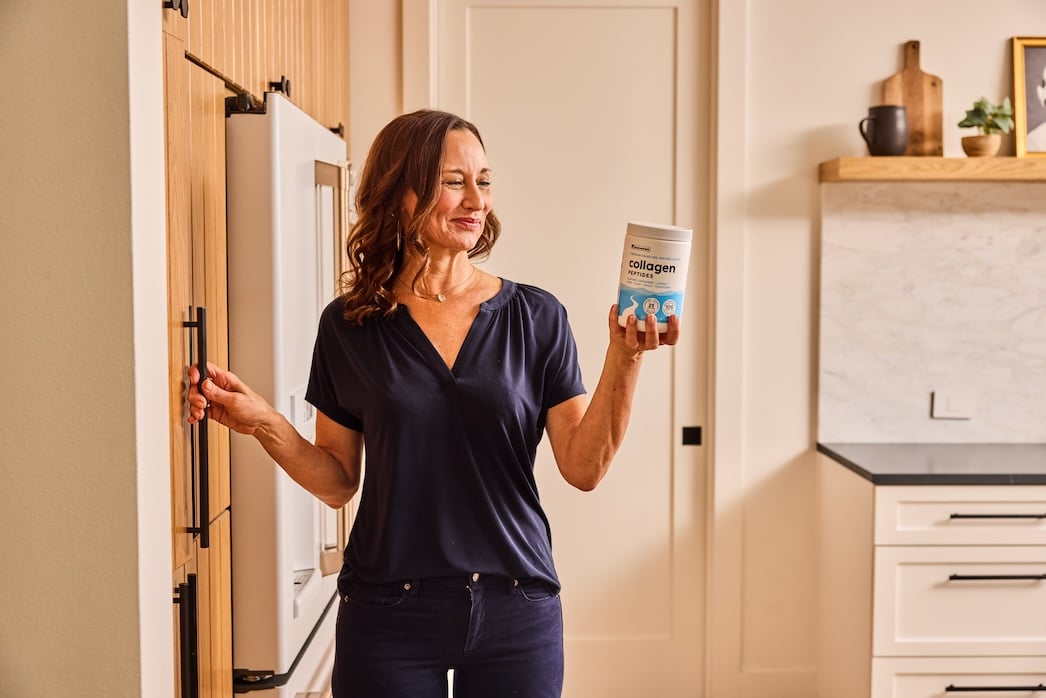
NativePath is currently offering 45% off for first-time customers, plus free shipping on every order.
If you're over 40 and starting to feel the effects of collagen loss — even if you didn't know that's what it was — I genuinely think this is worth a try.
I'd recommend starting with at least a 90-day supply, because that's the minimum window your body needs to rebuild what's been lost.
Customer results have not been independently verified. Individual results may vary. This article depicts an experience consistent with real customer feedback.
These statements have not been evaluated by the Food and Drug Administration. This product is not intended to diagnose, treat, cure, or prevent any disease. Always speak with your healthcare provider before starting any new supplement, especially if you have a medical condition or are taking prescription medication.